Practical ADHD Strategies for Focus, Clarity, and Sustainable Success.
How ADHD Accountability Coaching Builds Self-Discipline Without Guilt
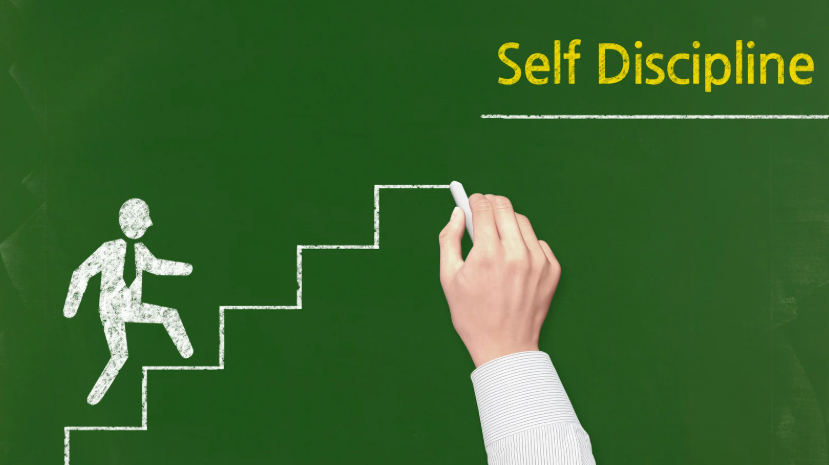
People with ADHD often struggle with routines, consistency, and motivation. This is where ADHD life coaching with an accountability approach can help. Instead of pressure or criticism, accountability coaching supports people through structured guidance, realistic goals, and compassionate feedback. By combining strategies like Focus and attention training, Life balance coaching, and Confidence and self-compassion coaching, individuals learn to manage responsibilities while building healthy habits. This blog explains how ADHD accountability coaching works, why guilt-based motivation fails, and how supportive guidance helps adults develop self-discipline in a positive way. It also explores practical coaching methods that help people stay consistent without feeling overwhelmed.
Why Self-Discipline Is Hard for Adults with ADHD
Self-discipline is often misunderstood when it comes to ADHD. Many people believe a lack of discipline means laziness or poor effort. In reality, ADHD affects executive functions such as planning, time management, and emotional regulation.
Adults with ADHD frequently experience:
Difficulty starting tasks
Losing focus quickly
Trouble managing priorities
Feeling overwhelmed by responsibilities
Guilt and frustration after unfinished work
Over time, repeated setbacks can create a negative cycle. People start to doubt their abilities, which lowers motivation. Instead of helping, guilt often makes productivity worse.
This is where ADHD life coaching with accountability becomes helpful. It replaces pressure with supportive structure.
What Is ADHD Accountability Coaching?
ADHD accountability coaching is a structured support system where a coach helps individuals stay committed to goals through regular check-ins, planning tools, and encouragement.
Unlike traditional productivity systems, this method recognizes how ADHD works. It focuses on small, practical improvements rather than unrealistic expectations.
Key elements of accountability coaching include:
Weekly progress check-ins
Breaking large tasks into smaller steps
Setting realistic deadlines
Tracking habits and routines
Positive reinforcement instead of criticism
These steps help individuals stay consistent without feeling judged.
Accountability creates external structure, which many ADHD adults need to maintain momentum.
Why Guilt Does Not Build Discipline
Many people try to motivate themselves through guilt. Thoughts like “I should be doing better” or “I wasted another day” are common.
However, guilt often leads to:
Avoidance of tasks
Increased stress
Lower confidence
Procrastination
When the brain associates work with shame or failure, it naturally resists starting tasks.
Accountability coaching takes a different approach. Instead of blame, it focuses on problem-solving and progress.
This shift helps people build self-discipline in a healthier way.
The Role of Focus and Attention Training
Maintaining attention is one of the biggest challenges for people with ADHD. Coaching includes practical tools to strengthen concentration and task completion.
Focus and attention training may include strategies such as:
Time-blocking work sessions
Using visual task lists
Reducing digital distractions
Practicing short focus sprints
Prioritizing important tasks first
These techniques help individuals train their attention gradually. Instead of trying to focus for hours, coaching encourages shorter and more manageable work periods.
This approach improves productivity without causing burnout.
Building Healthy Routines with Life Balance Coaching
Another reason self-discipline becomes difficult is an unbalanced routine. When work, rest, and personal responsibilities are not structured well, stress builds quickly.
Life balance coaching helps individuals design routines that support both productivity and wellbeing.
This may include:
Morning and evening routines
Time for personal interests
Planning breaks between tasks
Scheduling exercise or relaxation
Setting boundaries for work hours
Balanced routines prevent exhaustion. When people feel rested and organized, discipline becomes easier to maintain.
Strengthening Inner Belief Through Confidence and Self-Compassion Coaching
Many adults with ADHD carry years of negative feedback from school, work, or personal life. These experiences can damage confidence.
Self-discipline grows faster when people believe they are capable of improvement.
Confidence and self-compassion coaching helps individuals:
Replace harsh self-talk with supportive thinking
Recognize personal progress
Build realistic expectations
Accept mistakes without shame
Instead of viewing setbacks as failure, they become opportunities to adjust strategies.
This mindset change is one of the most powerful parts of ADHD accountability coaching.
How Accountability Creates Sustainable Discipline
Consistency is easier when someone supports the process. Accountability coaching offers structure without control.
Here is how it helps build long-term discipline:
1. Clear Goals
People define achievable goals that match their current capacity.
2. Structured Planning
Weekly planning sessions reduce confusion about what to do next.
3. External Motivation
Regular check-ins encourage follow-through.
4. Progress Tracking
Tracking small wins increases motivation.
5. Compassionate Feedback
Instead of criticism, coaching focuses on learning from challenges.
Through these steps, discipline develops naturally over time.
The Long-Term Benefits of ADHD Accountability Coaching
When accountability support becomes part of a routine, people begin to notice major improvements.
Common long-term benefits include:
Better time management
Reduced procrastination
Higher productivity at work
Improved emotional regulation
Greater confidence in daily decisions
Most importantly, individuals stop relying on guilt as motivation.
They learn to build systems that support their strengths.
How Mind Adjusters Supports ADHD Accountability Coaching
For individuals looking for structured guidance, Mind Adjusters provides coaching programs designed specifically for adults with ADHD. Their coaching approach focuses on practical strategies, supportive accountability, and personalized routines that help people develop discipline in a healthy way.
Through structured programs and coaching sessions, individuals receive guidance in productivity, focus development, habit building, and mindset improvement. The coaching process combines tools like Focus and attention training, Life balance coaching, and Confidence and self-compassion coaching to support sustainable progress.
If you are ready to build better routines and stay accountable to your goals, you can explore the ADHD life coaching approach followed by Mind Adjusters.
FAQs
1. What is ADHD accountability coaching?
ADHD accountability coaching is a support-based coaching method that helps individuals stay committed to goals through regular check-ins, structured planning, and progress tracking.
2. How does ADHD life coaching help with self-discipline?
ADHD life coaching provides practical tools, personalized strategies, and accountability support that help individuals build routines and stay consistent with their goals.
3. Can accountability coaching reduce procrastination?
Yes. Regular progress reviews and goal tracking make it easier to start tasks and maintain momentum, which reduces procrastination.
4. Who can benefit from ADHD accountability coaching?
Adults with ADHD, professionals struggling with productivity, students, and individuals looking to improve routines can benefit from accountability coaching.
5. How long does it take to see improvement?
Many individuals begin noticing improvements in focus, planning, and task completion within a few weeks of consistent coaching sessions.

Get In Touch
Email: [email protected]
Phone: 832-619-0544
Address: 15840 FM 529 Suite 240, Houston, TX 77095
Hours: Monday – Friday: 4:00pm – 9:00pm
Saturday: 9am - 1pm
Sunday: CLOSED